
When a client petitions to be appointed guardian of a minor or a disabled adult in Illinois, the surety bond is one of the steps that can stall the case if it isn’t handled early. The Illinois Probate Act treats the bond as the financial backstop that ensures the guardian carries out their fiduciary duties.
Attorneys handling probate matters across the state should know when a bond is required, how the amount is calculated, and where the court has discretion to waive or reduce it.
An Illinois guardianship bond is required when a guardian is appointed over a ward’s estate. Under Section 12-5 of the Illinois Probate Act, the bond must be at least 1.5 times the value of the personal estate if a corporate surety issues the bond, or double that if two individual sureties are used. Bonds for guardians of the person alone are often waived.
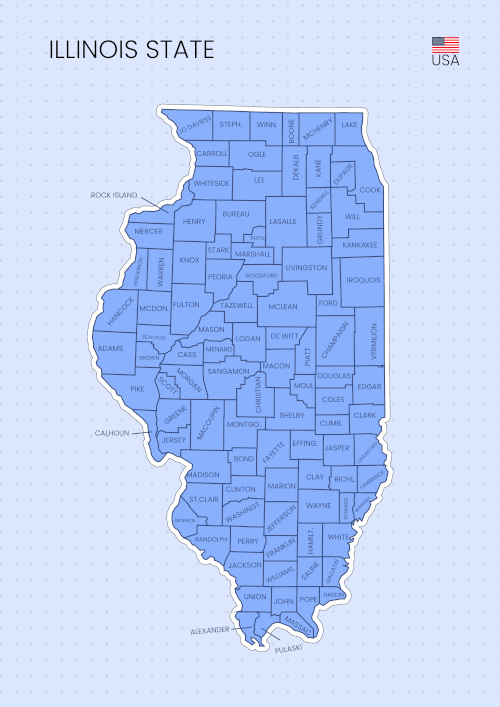
Illinois law distinguishes between two principal roles. A guardian of the person makes personal, medical, and care-related decisions for the ward. A guardian of the estate manages the ward’s financial assets.
The Probate Act, codified at 755 ILCS 5/1-1 and following, treats the two appointments differently for bonding purposes.
For a guardian of the person, the court usually waives the bond. The role doesn’t involve handling significant financial assets, so the bonding rationale is weaker.
For a guardian of the estate, the bond is the default. Section 12-2 requires every estate guardian to file an oath and a bond, and the courts have limited discretion to waive the surety requirement. Even when a parent is serving as guardian for an adult child with a developmental disability, the court will typically require a surety bond if the estate holds any meaningful inheritance.
Section 12-5 sets the formula. If a surety company writes the bond, the amount must be at least 1.5 times the value of the personal estate. If two individual sureties are used, the amount doubles.
If the guardian will also collect rental income from real property in the ward’s estate, the court adds the estimated annual income to the bond amount. If the guardian is being appointed only to facilitate the sale of real estate and won’t hold personal property, the court may set a nominal bond or waive it.
Illinois law gives the probate court a few options for reducing the bonding burden.
These options work best when the estate consists of cash assets that can be locked down. They don’t fit as cleanly when the guardian needs to actively manage investments or pay regular expenses for the ward.
A few practices smooth out the bond process in Illinois courts.
Start with a defensible valuation of the personal estate. The bond amount is driven by it, and an inflated valuation means an inflated premium. If the inventory hasn’t been finalized, get a reasonable starting figure and adjust later as the inventory comes in under 755 ILCS 5/14-1.
Be ready for additional bonds during the guardianship. Section 12-9 allows the court to require an additional bond if the guardian later petitions to sell or mortgage the ward’s real property. Plan for that contingency rather than treating the initial bond as the end of the matter.
Confirm local practice. Illinois probate courts handle guardianship procedures differently by county. Cook County uses its own form set (including CCP-312 for surety bonds), and other counties have their own preferred forms. Confirm the bond format with the local clerk before the hearing.
Don’t underestimate the timing of the oath and bond. The court will not issue letters of office until the bond is approved. Any delay on the bond directly delays the guardian’s authority to act on behalf of the ward.
Jurisco writes Illinois guardianship bonds across the state and can usually issue quotes the same day. If you have a pending appointment, contact us with the estate value and we’ll get the bond in motion.