
A writ of possession is a court order that allows one party to regain possession of property after a legal judgment has been entered. In Alabama, writs of possession are commonly used in cases involving property disputes, landlord-tenant matters, and enforcement of court rulings.
In 2026, Alabama courts continue to rely on writs of possession to enforce judgments efficiently while ensuring that legal procedures are followed correctly. Understanding how the process works can help parties avoid delays and unexpected complications once a court has ruled.
A writ of possession is a legal document issued by a court directing law enforcement or another authorized official to return possession of property to the prevailing party. It is typically issued after a judgment has been entered and the losing party has failed to comply voluntarily.
In Alabama, a writ of possession does not decide ownership or liability. Those determinations are made earlier in the case. The writ simply enforces the court’s final decision regarding possession of the property.
Alabama courts may issue a writ of possession in several types of cases, including:
Courts generally require that all procedural steps be completed before issuing the writ. This includes proper notice, expiration of any appeal period, and compliance with court rules.
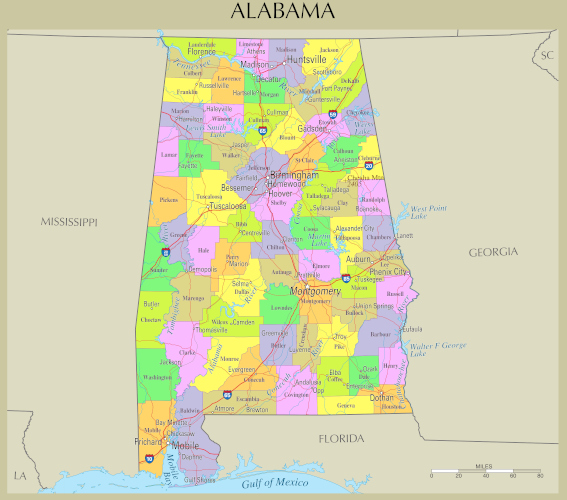
Writs of possession are commonly issued by courts in counties that include Jefferson County (Birmingham), Madison County (Huntsville), Mobile County, Montgomery County, and Tuscaloosa County, as well as in smaller jurisdictions across the state.
While procedures can vary by court, the writ of possession process in Alabama typically follows these steps:
Because enforcement involves court officers and strict timelines, accuracy in filings is essential.
In some Alabama cases, particularly those involving early property recovery or contested possession, courts may require a surety bond as part of the process. These bonds help protect against wrongful possession or damages if the court later modifies its ruling.
For example, bonds may be required when:
These bond requirements are court-driven and must match the specific language and amount ordered by the judge.
Writs of possession are enforced statewide, but the process can feel different depending on location and court volume. Courts in Birmingham, Montgomery, Mobile, Huntsville, Dothan, Auburn, and Decatur frequently handle possession-related cases, each with its own administrative procedures.
In higher-volume courts, delays can occur if paperwork is incomplete or bond requirements are not met precisely. Understanding local procedures can help reduce these delays.
Once a writ of possession is issued, mistakes can slow enforcement or require additional court appearances. Common issues include:
These issues can be costly, particularly when possession of property affects housing, business operations, or asset control.
Jurisco assists with court-required surety bonds in Alabama, including bonds that may arise in possession-related cases. By focusing on court-driven bond requirements, Jurisco helps ensure that bonds align with judicial orders and are issued accurately.
Whether a case is filed in Birmingham, Mobile, Huntsville, Montgomery, or elsewhere in Alabama, Jurisco works to support clients navigating possession-related enforcement with clarity and efficiency.
Writs of possession remain an important enforcement tool in Alabama courts. Understanding when they are issued and how surety bonds may factor into the process can help parties move forward without unnecessary delays.
In 2026, Alabama courts continue to rely on clear procedures and proper documentation to enforce possession orders. With preparation and the right support, the process can move forward smoothly once a judgment is entered.
Contact Jurisco today to learn more.